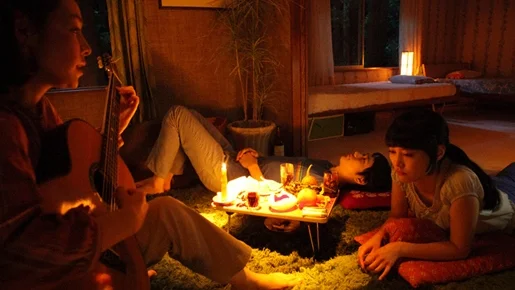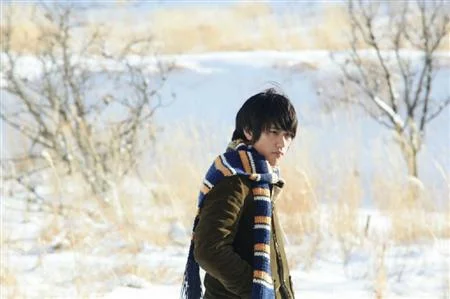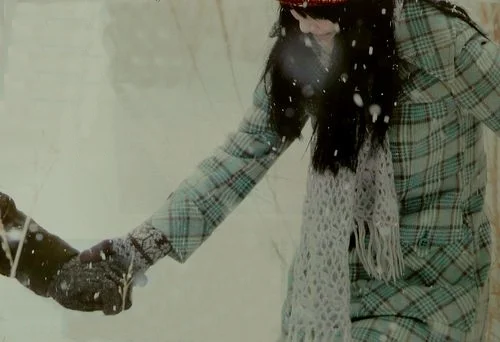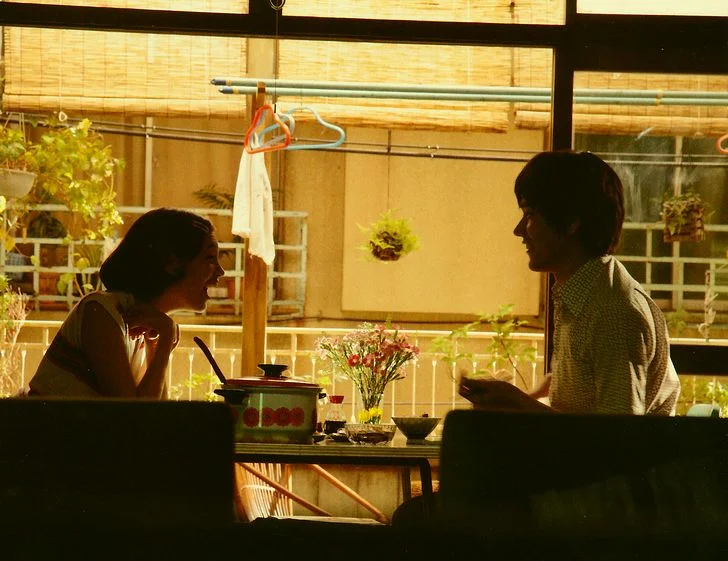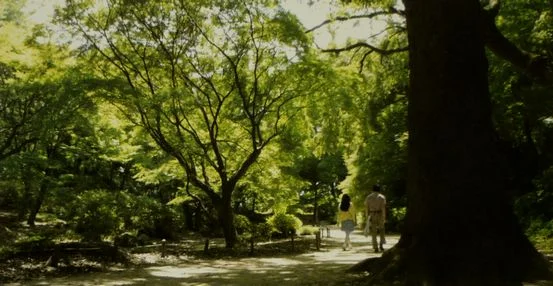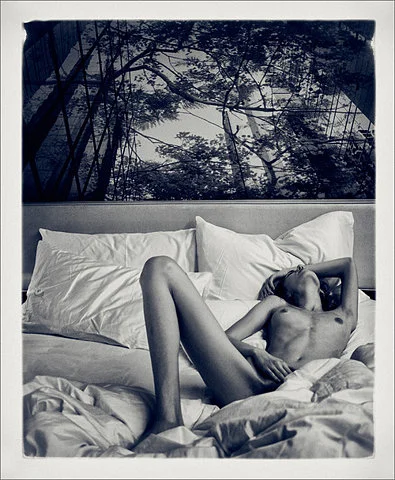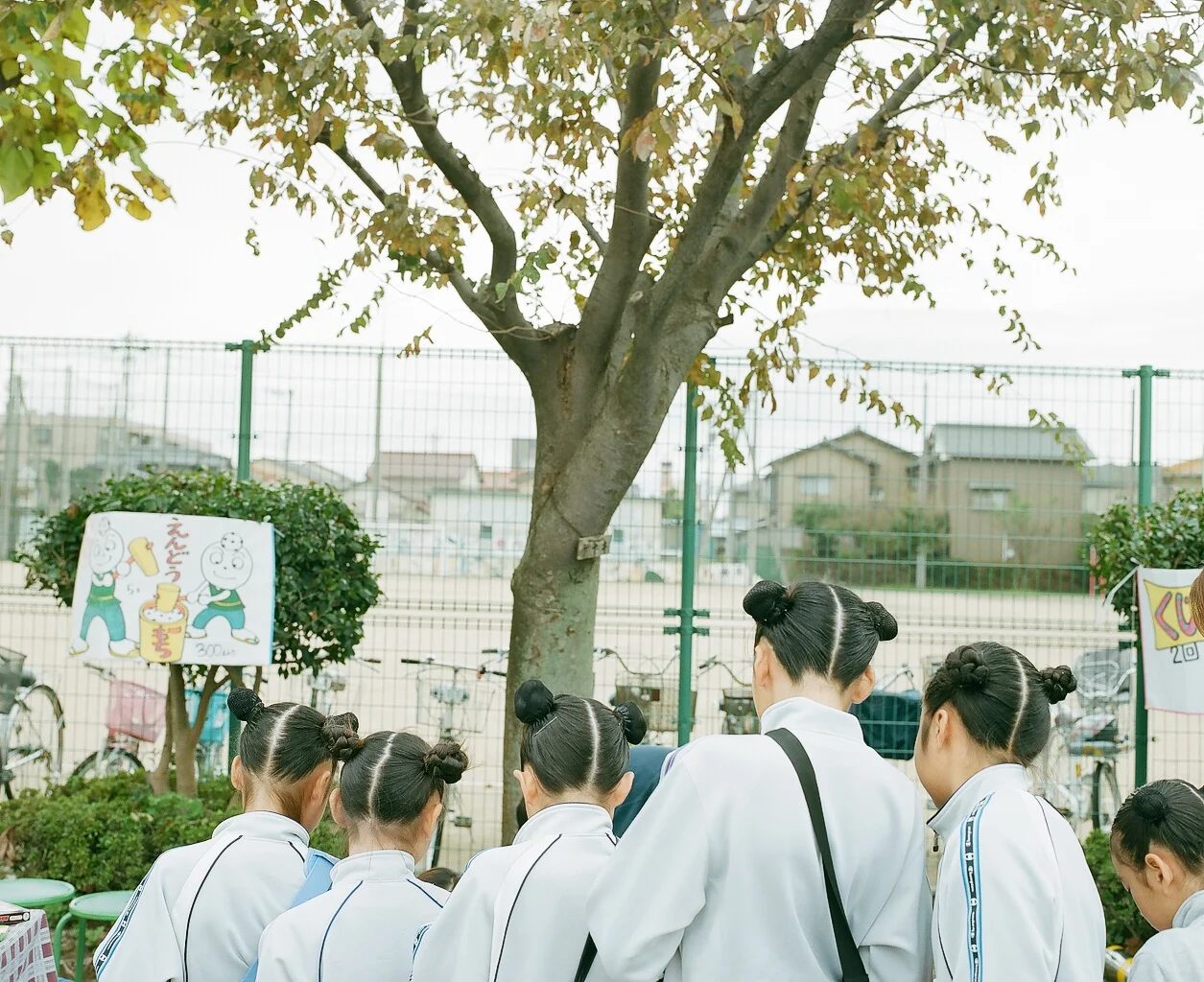
claire forlani.
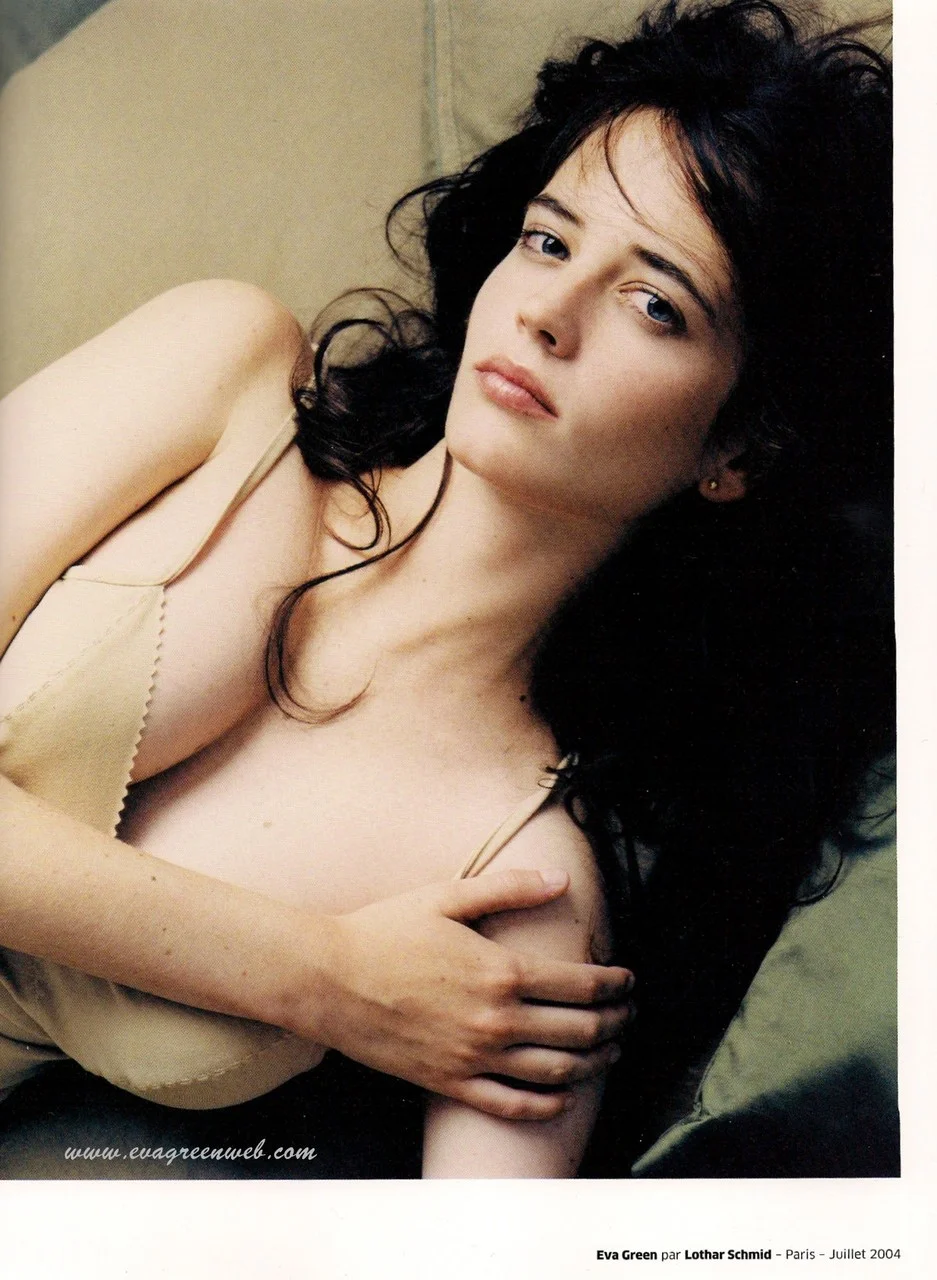
i have a thing for attached earlobes.
claire forlani.
i have a thing for attached earlobes.
via darkshapes:
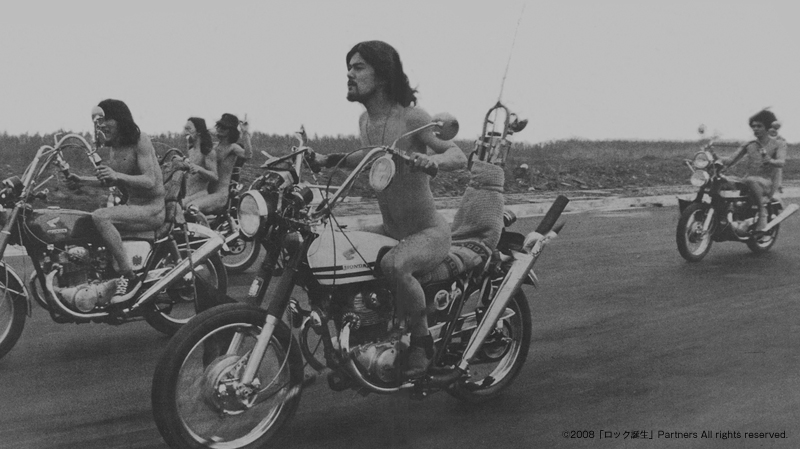
via proto-jp:
via nevver
Daido Moriyama on compact cameras.
Now THIS is a fight scene. One take.
Mark Lee Ping Bin
“”My collaboration with Wong Kar-Wai actually began with Fallen Angels, for which I shot half the film as Christopher Doyle left the job midway through, too. I wasn’t credited for Fallen Angels, though.
[For In The Mood for Love] [Wong Kar-Wai] only showed me thirty-eight minutes that were already edited. He did not even ask me to follow what Christopher Doyle had done. He simply showed me the film and let me take things into my own hands.
”
Mark Lee Ping-Bing / 李屏賓 A Poet of Light and Shadow / 光影詩人
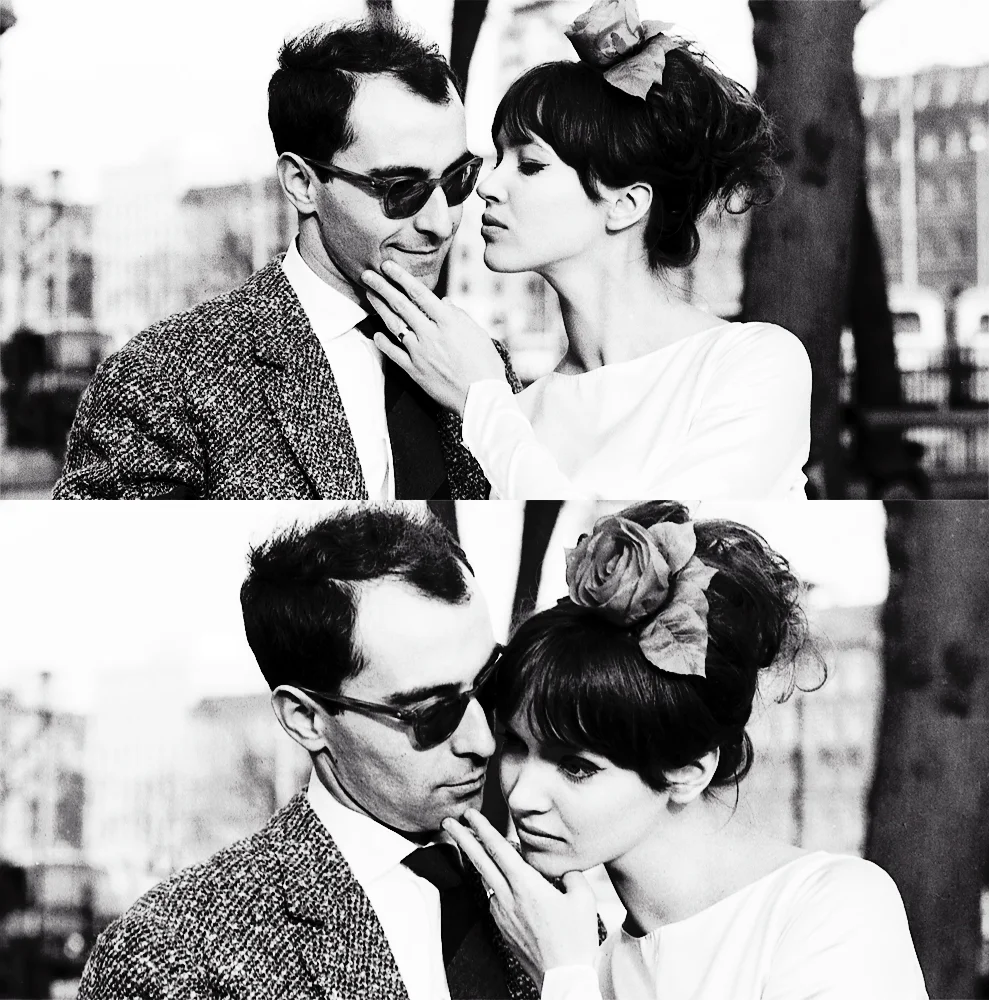
In an interview done decades after their 1967 divorce, in the midst of talking about their collaborations in the 1960’s that helped define the New Wave movement, the interviewer suddenly asked them, “can one be happy again after having such an intense relationship?”
In a rough translation, Anna Karina responds “Yes, one can be happy, but in a different way.”
Godard essentially responds “No, I believe one can be much happier.”
Anna Karina begins to tear up and excuses herself from the interview.
“What I’ve learned from movies is life’s different perspectives. I find fragments of my own life in different stories, I find my imagination and actions in them.
So when I shoot a film, I always search for a way to touch people.
Of course, you have to be able to touch yourself first.
”
Mark Lee Ping-Bing / 李屏賓
A Poet of Light and Shadow / 光影詩人
(via sensationseeker)
He dug so deeply into her sentiments that in search of interest he found love, because by trying to make her love him he ended up falling in love with her. Petra Cotes, for her part, loved him more and more as she felt his love increasing, and that was how in the ripeness of autumn she began to believe once more in the youthful superstition that poverty was the servitude of love. Both looked back then on the wild revelry, the gaudy wealth, and the unbridled fornication as an annoyance and they lamented that it had cost them so much of their lives to find the paradise of shared solitude. Madly in love after so many years of sterile complicity, they enjoyed the miracle of living each other as much at the table as in bed, and they grew to be so happy that even when they were two worn-out people they kept on blooming like little children and playing together like dogs.”
— Gabriel García Márquez (One Hundred Years of Solitude)
“The advice I like to give young artists, or really anybody who’ll listen to me, is not to wait around for inspiration. Inspiration is for amateurs; the rest of us just show up and get to work. If you wait around for the clouds to part and a bolt of lightning to strike you in the brain, you are not going to make an awful lot of work. All the best ideas come out of the process; they come out of the work itself. Things occur to you. If you’re sitting around trying to dream up a great art idea, you can sit there a long time before anything happens. But if you just get to work, something will occur to you and something else will occur to you and somthing else that you reject will push you in another direction. Inspiration is absolutely unnecessary and somehow deceptive. You feel like you need this great idea before you can get down to work, and I find that’s almost never the case.”
Mystery Train, Jim Jarmusch.
1:01 - How he lights the cigarette.